Lately, have you noticed how conversations almost always drift toward the same topics?
War. Rising prices. Uncertainty. The future.
Everywhere we look, there seems to be something to worry about. Gas prices go up. Transportation costs follow. The price of food climbs quietly but steadily. And then we hear news about global conflicts that make us wonder, What if this lasts for years? What if things get worse?
If you’ve been feeling worried, uneasy, or even afraid these days, please know this—you are not alone. I feel it too. Many of the people I talk to, coach, or teach are feeling the same way.
And this is exactly why we need to be more intentional about how we process our thoughts and emotions.
One of the principles I’ve learned after decades of working with people is this:
We cannot always control what is happening around us, but we can control what is happening inside us.
When the world feels unstable, the mind naturally goes into survival mode. We imagine worst-case scenarios. We think about what might go wrong. We start to expect bad news even before it comes. This is the doomsday mindset.

If we are not careful, this mindset can slowly turn into anxiety, then into hopelessness, and eventually into paralysis. We stop enjoying life. We stop feeling grateful. We stop believing that good things can still happen.
So what can we do?
Here are a few simple and practical things that I myself try to do during uncertain times.
First, limit how much bad news you consume.
We need to stay informed, yes. But we do not need to be flooded with negative information all day. Too much news feeds fear, not wisdom. Choose when to watch, when to read, and when to turn it off.
Fill your mind with positive things on purpose. Spend time doing things that make you feel calm and grounded. For me, sometimes that means simply playing with my dogs and enjoying the moment. Other times, it means going outside and checking on my small garden, watching my mango fruits slowly grow bigger each day.
Second, focus on what you can control.
We cannot control wars. We cannot control global prices. But we can control our habits, our spending, our health, our skills, and our attitude. When we focus on small actions, we feel less helpless.
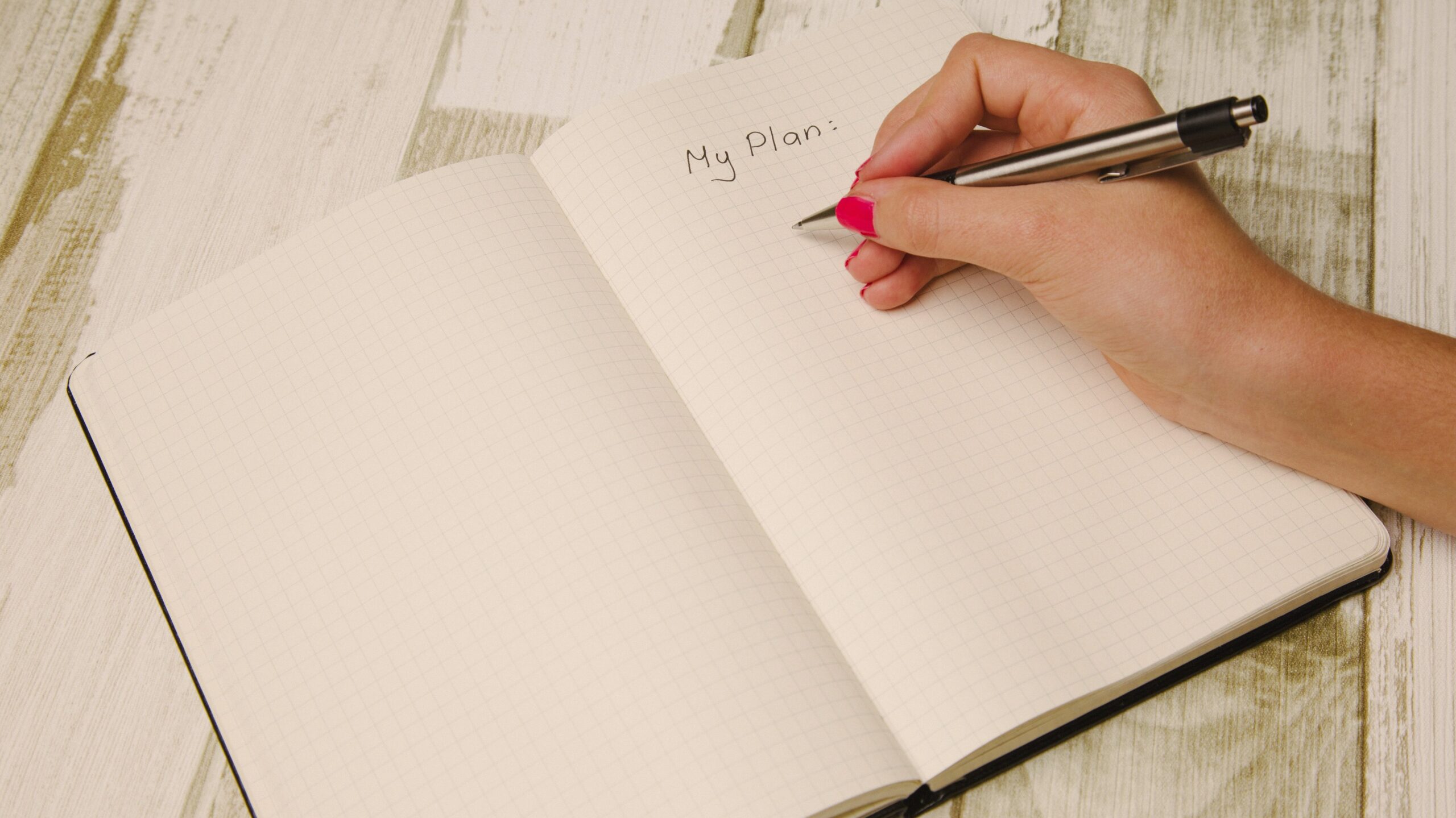
Third, prepare in simple ways instead of worrying endlessly.
Preparation gives peace of mind.
For example, during the past year, Tatang (my husband) started growing a small garden at home. Nothing big, nothing fancy. Just a few pots, some soil, and whatever vegetables and fruits I can manage to grow. Sometimes the harvest is small, sometimes it’s surprisingly good.
But the point is not just the food. The point is the feeling that we are doing something, however small, to take care of our family. Even a small act changes your mindset from panic to preparedness.
Fourth, choose kindness and compassion, especially when life feels hard.
During difficult times, people become more impatient, more sensitive, sometimes even more selfish without realizing it. Everyone is carrying something heavy. The cashier, the driver, the coworker, the person at home, the stranger online.
A little kindness goes a long way these days.
A little patience can ease someone’s burden.
A little understanding can prevent unnecessary conflict.
Beyond our personal actions, we can also use our voices responsibly. We can encourage our communities, our organizations, and especially those in positions of leadership to create programs and strategies that help ease the effects of the crisis.
We may not hold power individually, but as citizens, as professionals, as members of society, we can support solutions, promote responsible decisions, and stand for what will help the greater good. Difficult times call not only for strong individuals, but for compassionate communities and wise leadership.
Fifth, practice gratitude, even when it feels difficult. Especially when it feels difficult.
Gratitude does not mean pretending that everything is okay.
Gratitude means recognizing that even in hard times, not everything is bad.
You woke up today.
You have people who care about you.
You still have the ability to think, to plan, to act, to hope.
These are not small things.
And finally, remind yourself of this every day:
You are not alone.
There is hope.
Human history has gone through many crises before, and yet life continues. People rebuild. Families survive. New opportunities appear where we least expect them.
Now is the time to prepare, to help one another, to speak up when needed, and yes, to be grateful, even in the middle of uncertainty.
Because sometimes the most powerful act of courage is to believe that better days will come.